Skip to content

News

DSC_3988
New Dynamic Lab
About Us
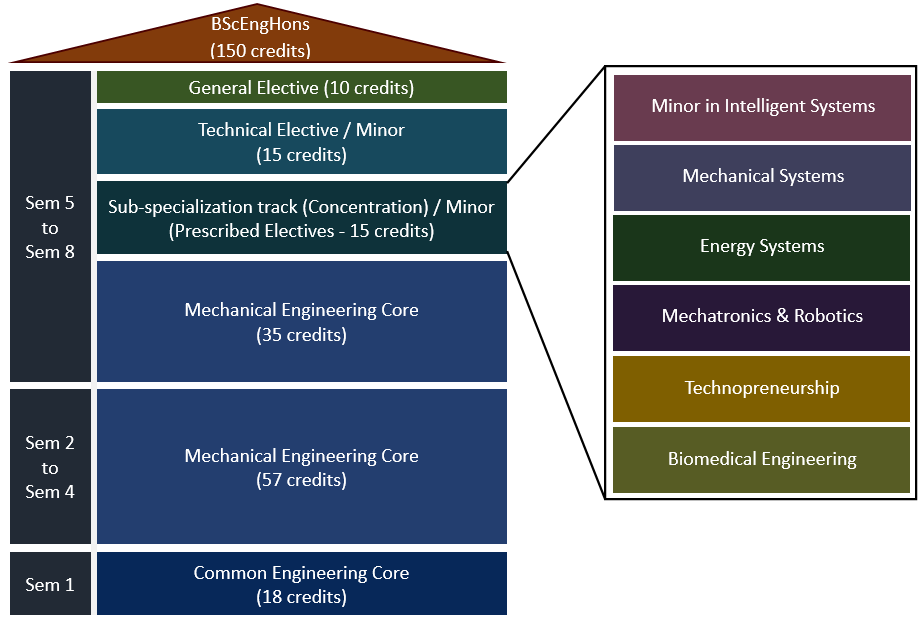
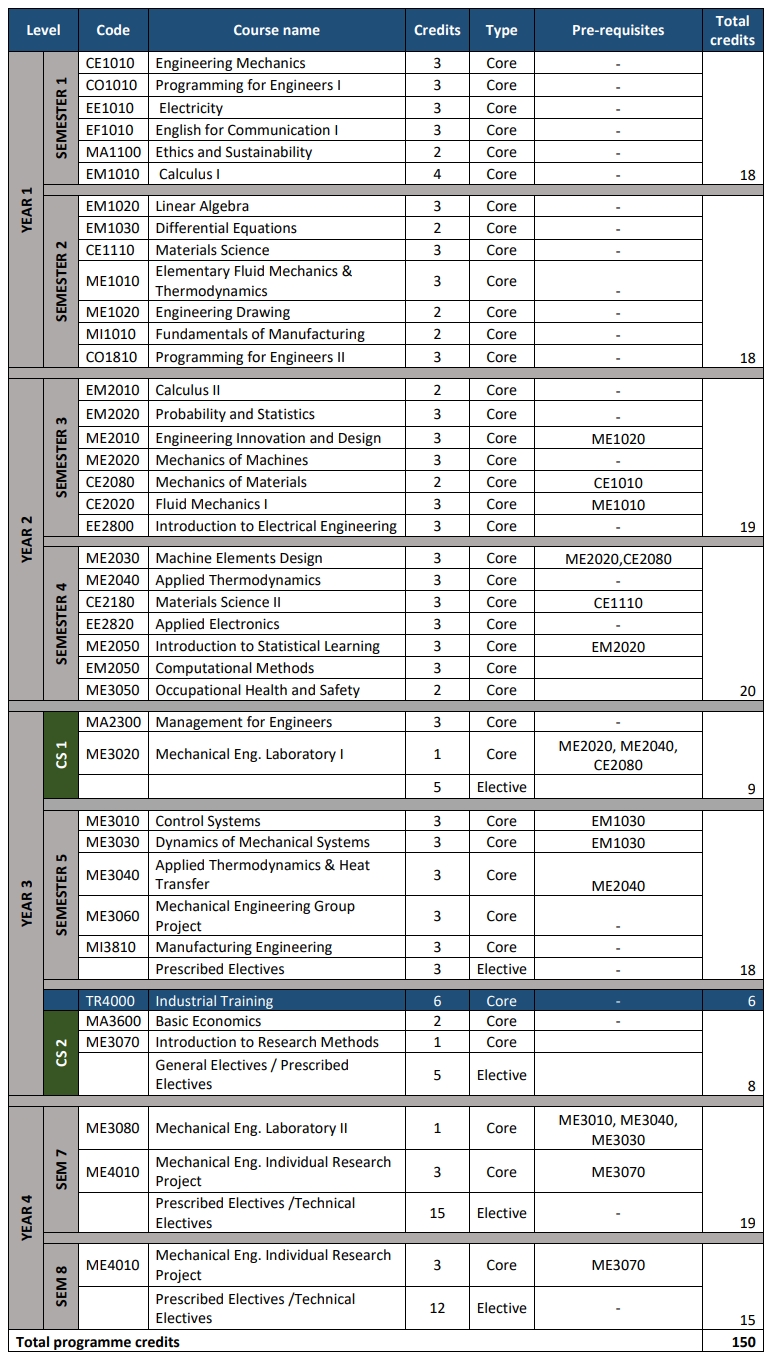
The specialization programme in Mechanical Engineering starts after the common 1st semester of 18 credits for all engineering streams of the Faculty of Engineering, University of Peradeniya

Undergraduate Curriculum

From 2024 intake onwards – From E/22 batch

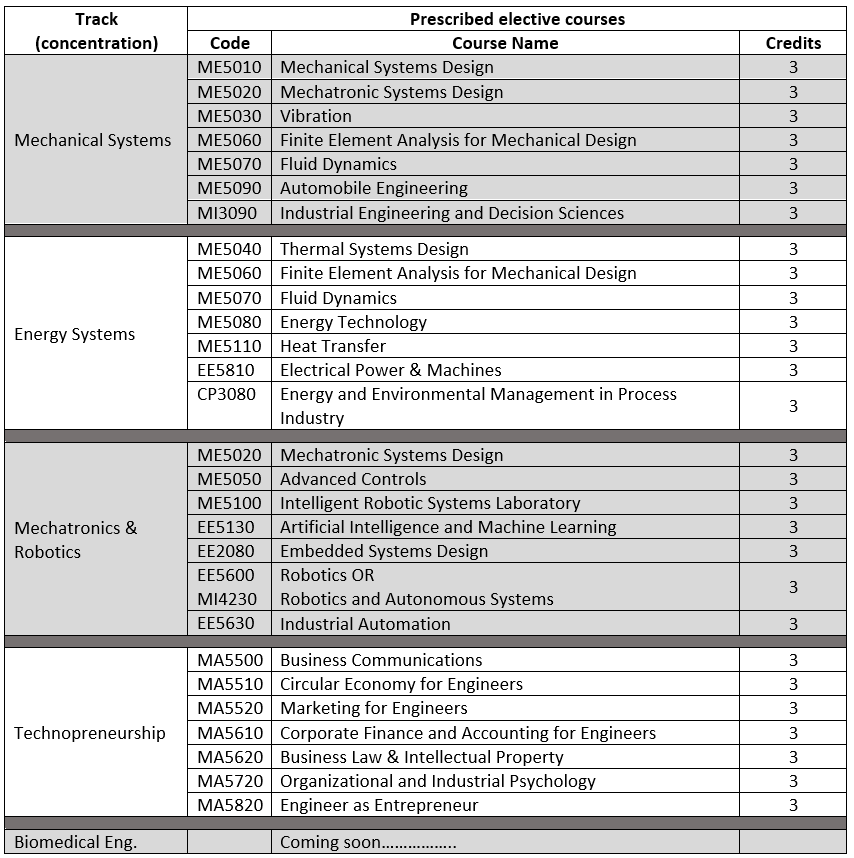
Further to majoring in Mechanical Engineering, the department offers five concentrations (sub-specialization tracks) to provide the students with in-depth investigation into one of the areas related to Mechanical Engineering:  Additionally, the students who opt to specialize in Mechanical Engineering could also follow the following minor programme offered by the Faculty of Engineering.

Sub-specialization tracks and Minor Programme

Mechanical Systems

Provides the necessary fundamental knowledge and skills required for a well-rounded engineer who could fit into a broad range of career opportunities in the field of mechanical engineering.
Certificate Courses

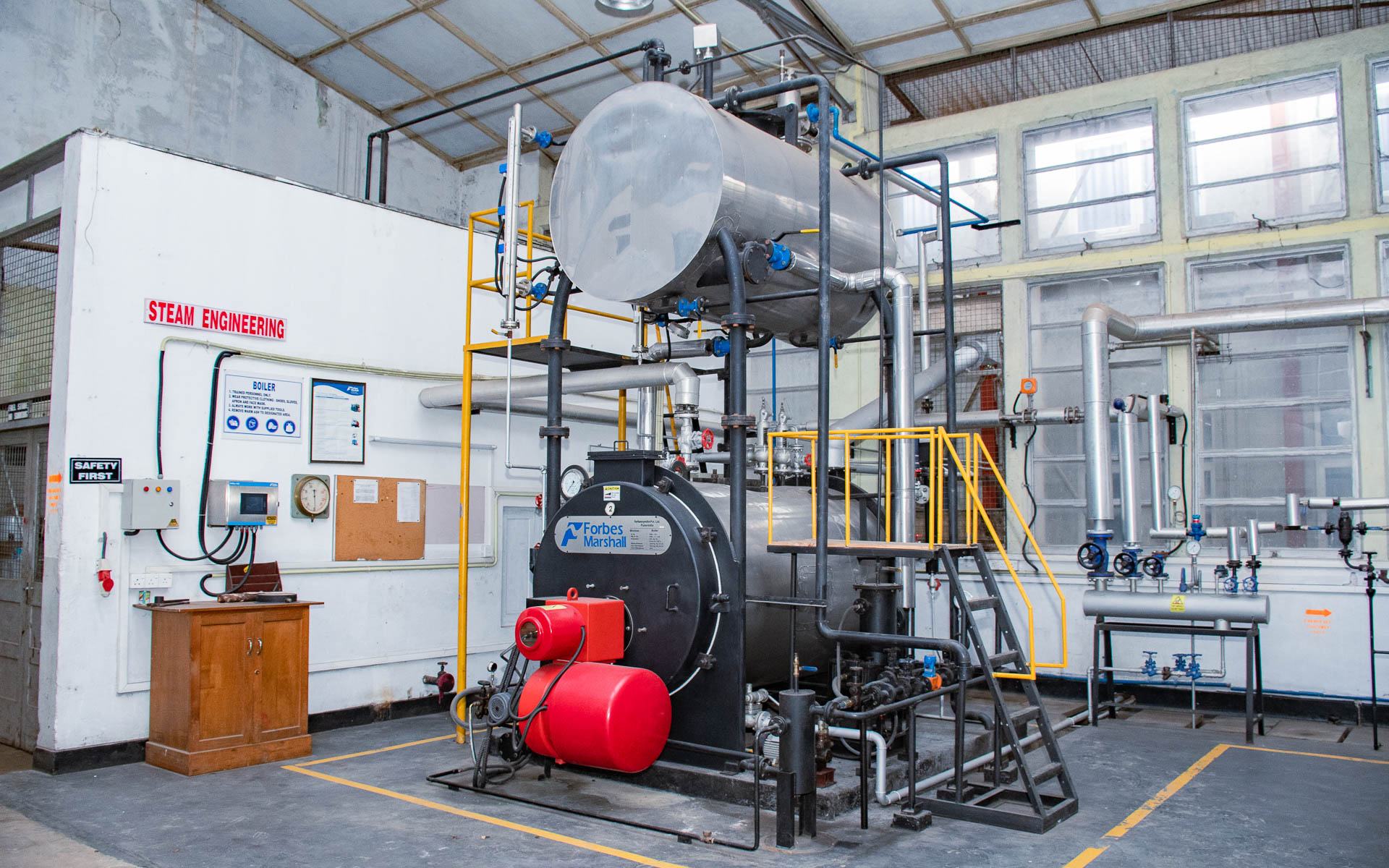
Energy Systems

This track aims at preparing the graduates to face the challenge of meeting the growing worldwide demand for energy while overcoming the environmental impact and the scarcity of conventional sources through sustainable engineering solutions.
NEW

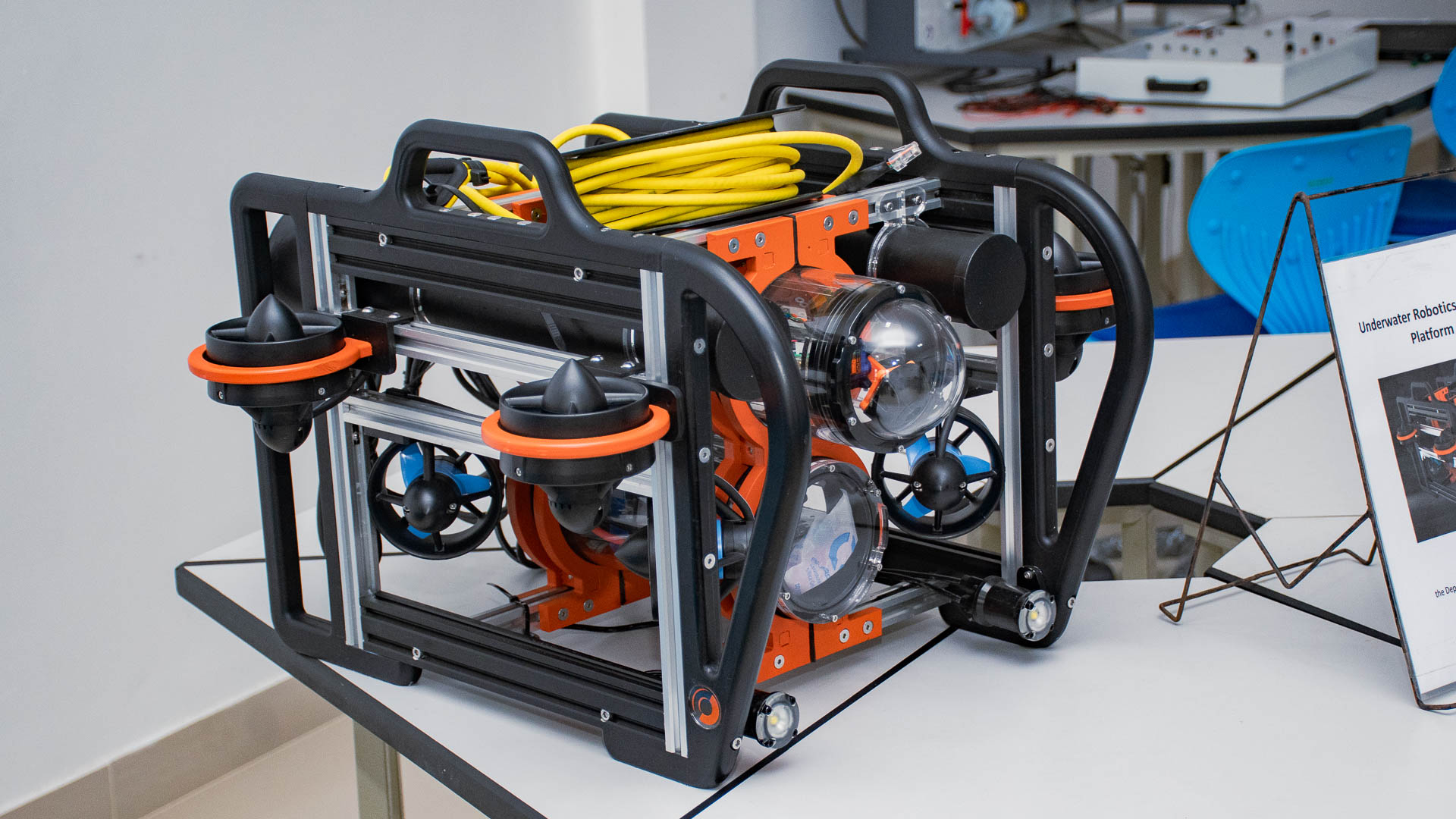
Mechatronics & Robots

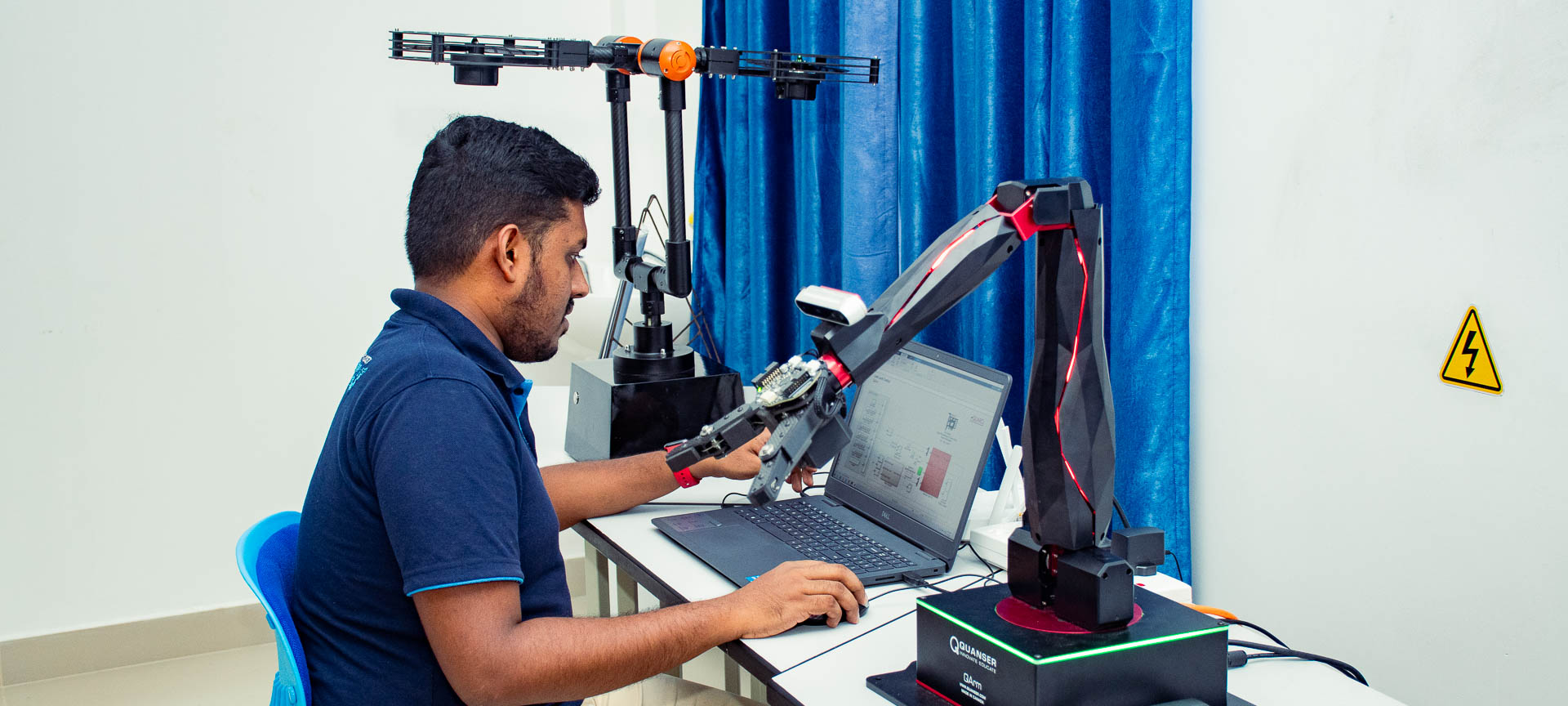
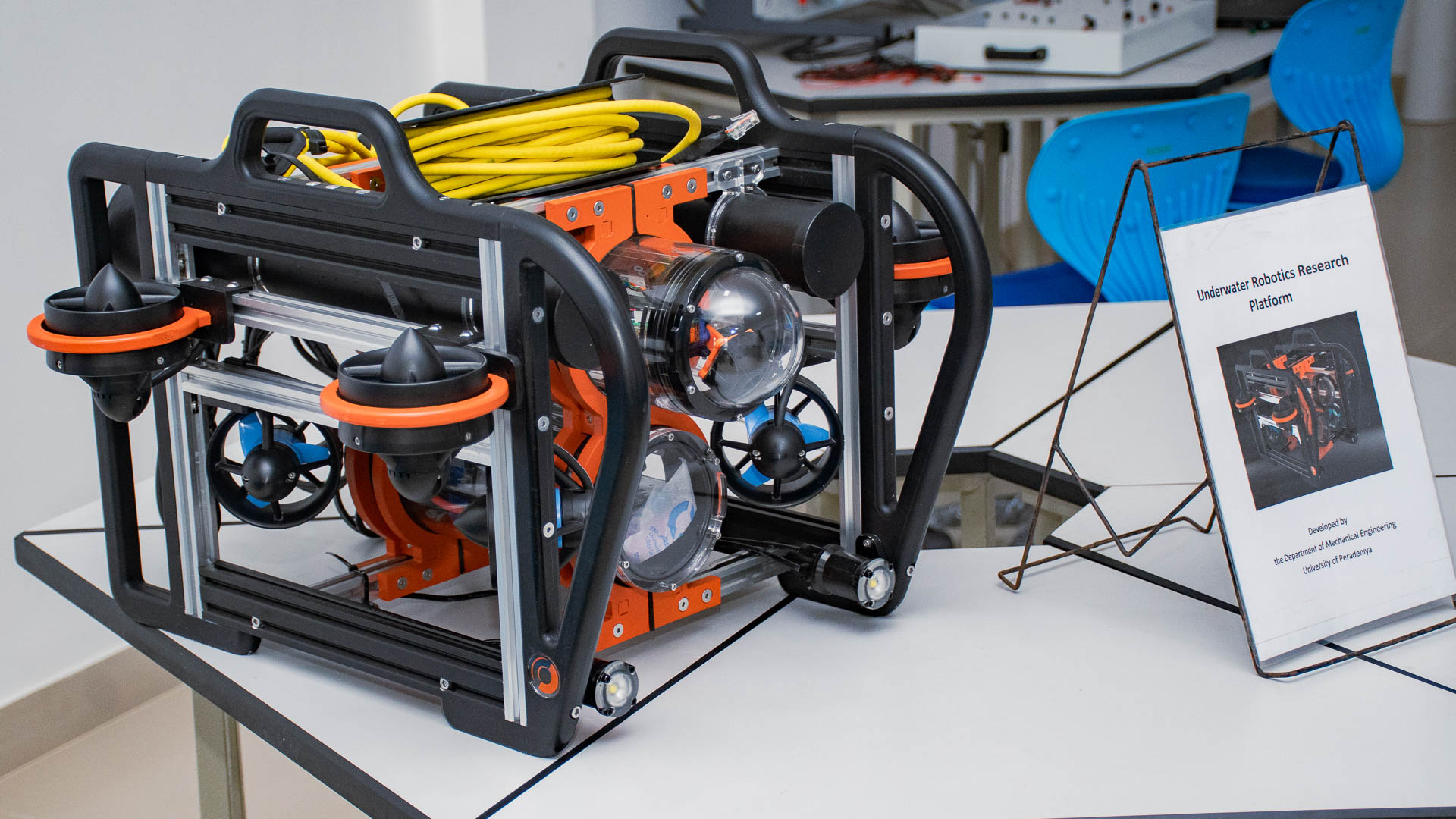
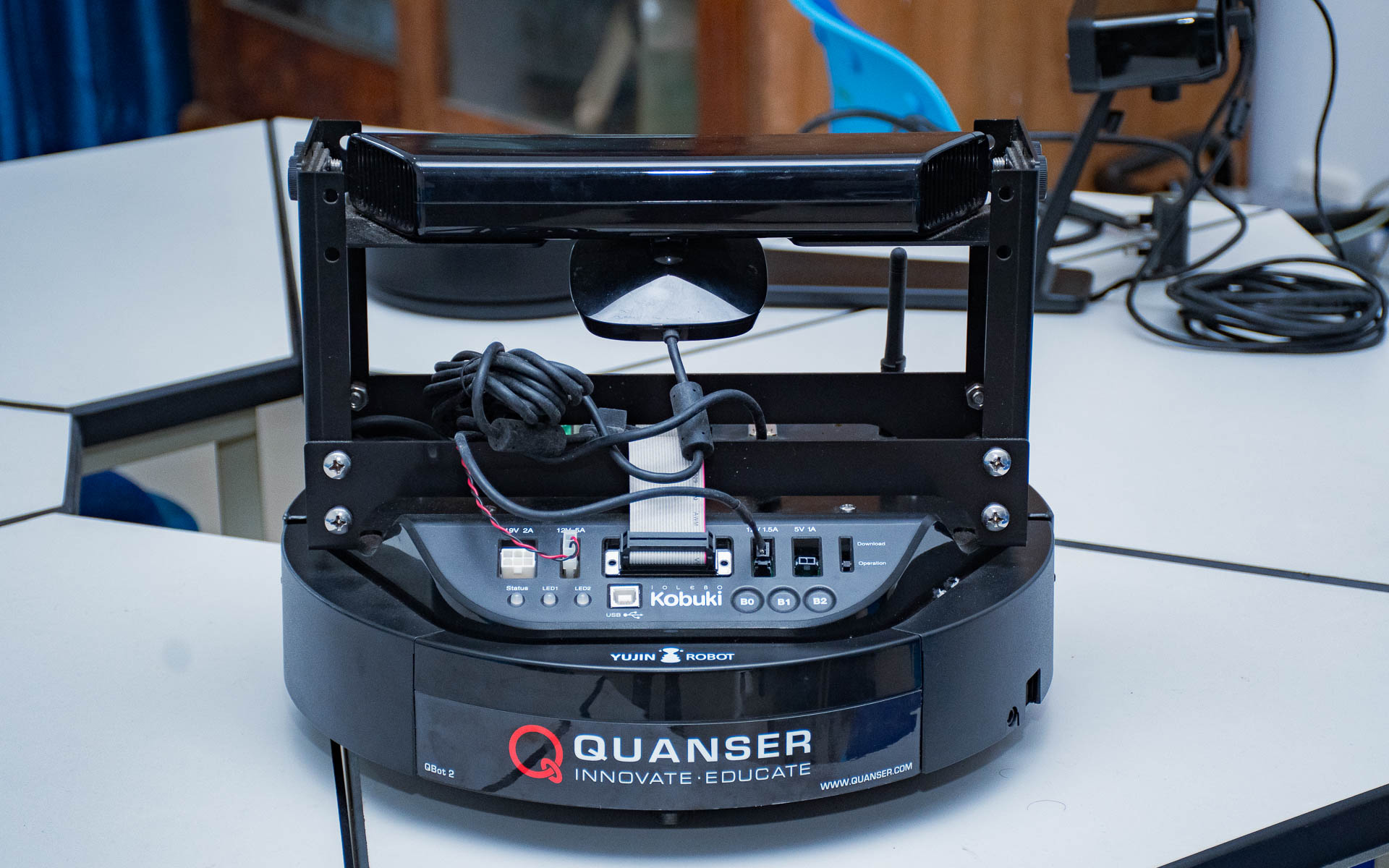
This track provides the students an opportunity to gain specialized expertise in Mechanics, Microprocessors, Electronics, Real-time Embedded Systems, Robotics, Motion Control Systems and Artificial Intelligence.
Technopreneurship

This tack, as a unique combination of mechanical engineering with business and management, is introduced with the aim of promoting Technopreneurship and Entrepreneurship among engineering graduates.
Biomedical Engineering

The department will soon introduce a sub-specialization vin biomedical Engineering. This sub-specialization will be available soon.
Minor in Intelligent Systems Eng.

This minor is aimed at enhancing the knowledge and skills of students in the area of intelligent systems engineering so that the graduates can improve their employability and excel in the advanced industries.This sub-specialization will be available soon.​

The programme composition

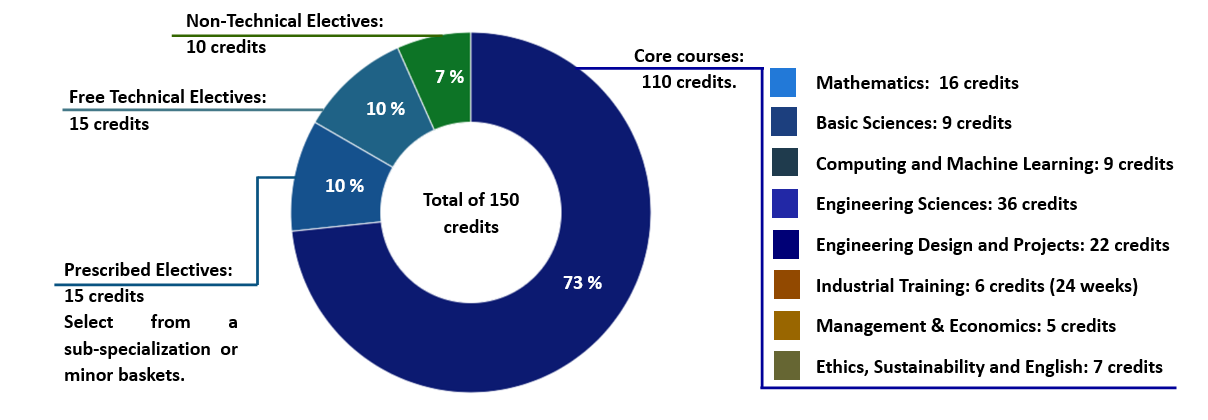
One credit is defined as 15 hours of equivalent lecture hours per semester: 2 hours of laboratory/design sessions and assignments is equivalent to 1 hour of lectures.  The volume of learning/student workload is also measured in terms of credits, where one credit is 50 hours (notional hours) of learning per semester

Programme Structure

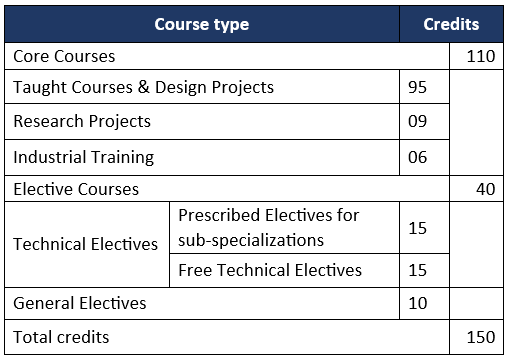
The credit structure.

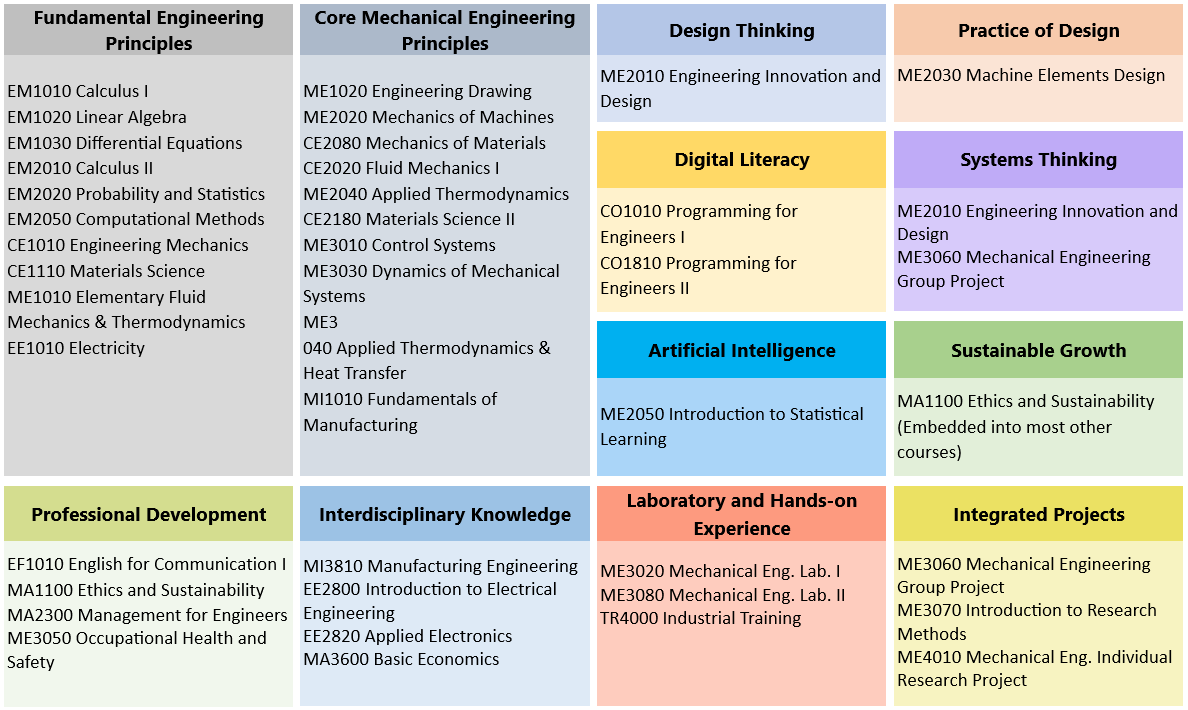
Course Map & Semester Schedule

Prescribed Elective Courses

Further to majoring in Mechanical Engineering, the department offers five concentrations (sub-specialization tracks) to provide the students with in-depth investigation into one of the areas related to Mechanical Engineering:  Additionally, the students who opt to specialize in Mechanical Engineering could also follow the following minor programme offered by the Faculty of Engineering.

Note: These elective courses will be subject to change and will be prescribed at the beginning of the academic year

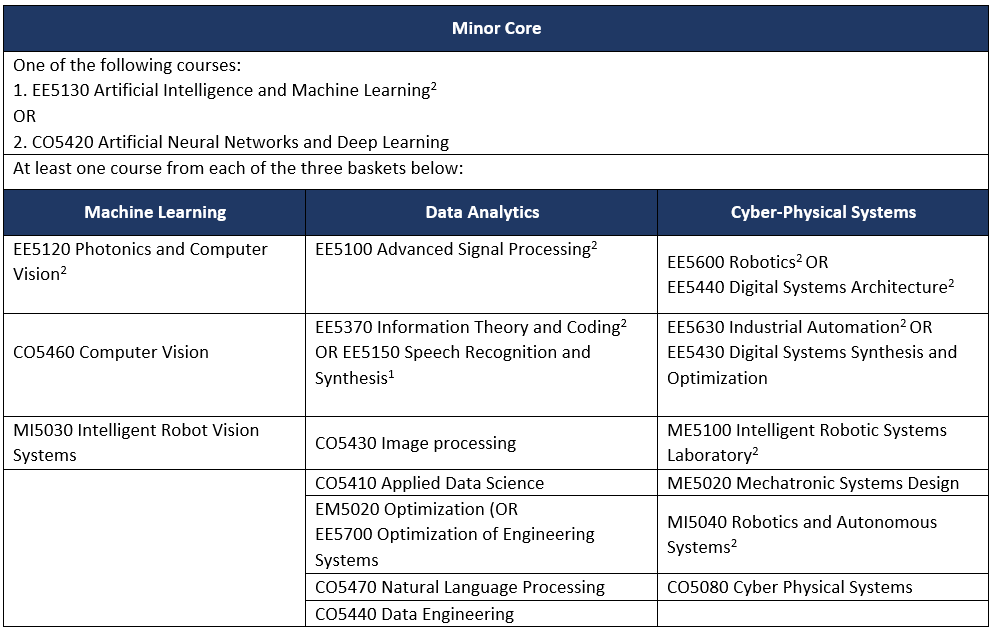
Minor Programme in Intelligent Systems

Industry 4.0 relies heavily on two fundamental pillars: analytics and intelligence, and human-machine interaction. To excel in the dynamic landscape of advanced industries, our graduates must elevate their proficiency in these core areas. The inherently interdisciplinary nature of these pillars demands the convergence of diverse engineering disciplines to create a cohesive minor program in intelligent systems engineering.

Aims: To enhance the knowledge and skills of students in the area of intelligent systems engineering so that the graduates can improve their employability and excel in advanced industries.

Intended Learning Outcomes:

At the successful conclusion students who followed the intelligent systems engineering minor

will be able to;

  1. Design and implement machine learning algorithms for industrial applications.
  2. Design and implement data analytics algorithms to extract information from large datasets.

3. Design and implement cyber physical systems for industrial applications.

The programme structure

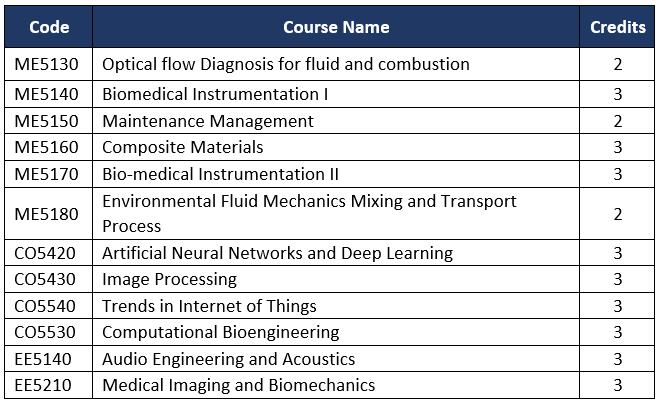
Free Elective Courses

Note: Prescribed Elective courses listed in one track of sub-specialization can be considered as free technical elective courses for other tracks.

General Elective Courses – Non-GPA

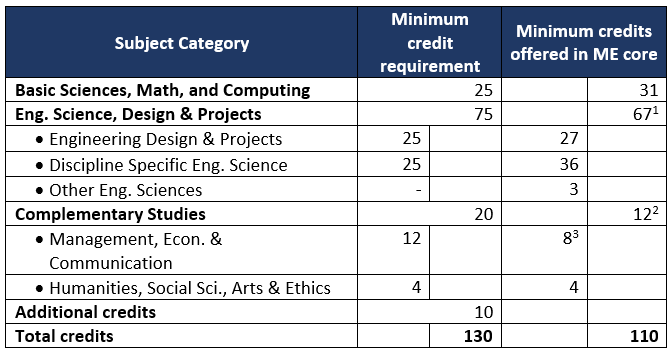
A student needs to earn 10 credits from all General Elective courses offered by the faculty /departments to meet the departmental requirement of General Electives.  The departmental requirement of General Electives is given in Table 4. 

Compliance with Washington Accord Accreditation requirements

115 credits of Technical Elective courses will make the total 82 credits thus will satisfy the minimum requirement.

 210 credits of General Elective courses will make the total  22 credits thus will satisfy the minimum requirement.

3 The students are required to take 4 credits of courses in the area of Management, Econ. & Communication. The students who opt to follow Technopreneurship sub-specialization will follow 15 credits of courses in the area of Management, Econ. & Communication. This will satisfy the minimum requirement.

Previous Curricula:

Undergraduate curriculum prior to 2018 intake – Up to E/16 batch

Undergraduate curriculum from 2019 to 2023 intake – From E/17 batch to E/21 batch