Reaffirming its commitment to national development through research excellence, the University of Peradeniya has secured a Rs. 26 million from the National Science Foundation (NSF) Mega Grant Scheme 2025 to undertake a transformative, transdisciplinary project aimed at enhancing productivity and quality of Sri Lanka’s tea industry. As one of the country’s leading universities, the University of Peradeniya continues to demonstrate its strength in applied, industry-engaged research. This award highlights international collaborations comprising world-renowned mobile robotics expert Emeritus Professor Gamini Dissanayake of the University of Technology, Sydney, Australia, who has provided leadership in developing an impactful research proposal to drive innovation and address critical national challenges. The transdisciplinary approach has been embedded in the proposal by Dr Asela K. Kulatunga (currently at the University of Exeter, UK), whose research capabilities were developed during his Fulbright Advanced Research and Teaching fellowship at the University of Kentucky, USA, under the guidance of Professor I.S. Jawahir and Professor Fazleena Badurdeen.
The four-year project brings together expertise from engineering, agriculture, food science, and social sciences to deliver integrated technological solutions tailored to the needs of the tea sector. The research team is led by Dr. Namal Bandaranyake of the Department of Engineering Management, Faculty of Engineering. The transdisciplinary team includes Dr. Lalith Rankoth (Department of Crop Sciences) and Dr. Saumali Daundasekara (Department of Food Sciences) from the Faculty of Agriculture who will provide expertise from agriculture point of view. Dr. Priyadarshanie Premarathna (Department of Sociology) from the Faculty of Arts, will examine social dimensions such as workforce adaptation and technology acceptance. The State Plantation Corporation and Bogawantalawa Plantation PLC have joined the research team as industry partners of this project.
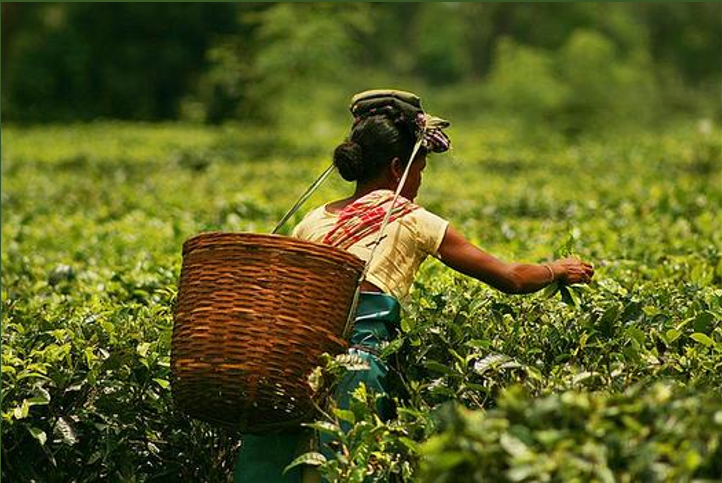
The project includes the development of ergonomically designed electromechanical selective tea plucking and collection devices to overcome worker fatigue and to increase the labour productivity.; integration of IoT technologies, wearable sensors, and drone systems for real-time monitoring of tea fields to enable data-driven decision-making; and the creation of a digital twin model for tea factory operations to enhance the quality of made tea. In addition, the project places strong emphasis on workforce upskilling to ensure the sustainable adoption of new technologies and the ability to work conveniently. These innovations will transform traditional tea processing into smart and processes providing decent working conditions.
Tea industry partners will be actively engaged throughout the project to ensure practical relevance and effective implementation. By combining advanced engineering solutions with agricultural science and social insight, the initiative represents a significant academic contribution while delivering tangible benefits to one of Sri Lanka’s most vital export sectors. Simultaneously, the initiative will promote sustainable local capacity development through higher research degree programs. The project will support postgraduate training, mentorship, and research skill development, ensuring the creation of a highly skilled knowledge base capable of sustaining technological advancements within Sri Lanka’s tea industry.
This overall research program underscores the University of Peradeniya’s enduring commitment to national progress and its expanding role as a leader in multidisciplinary, high-impact research that bridges academia, industry and policy.